
Permian Period – The Birth of the Limestone
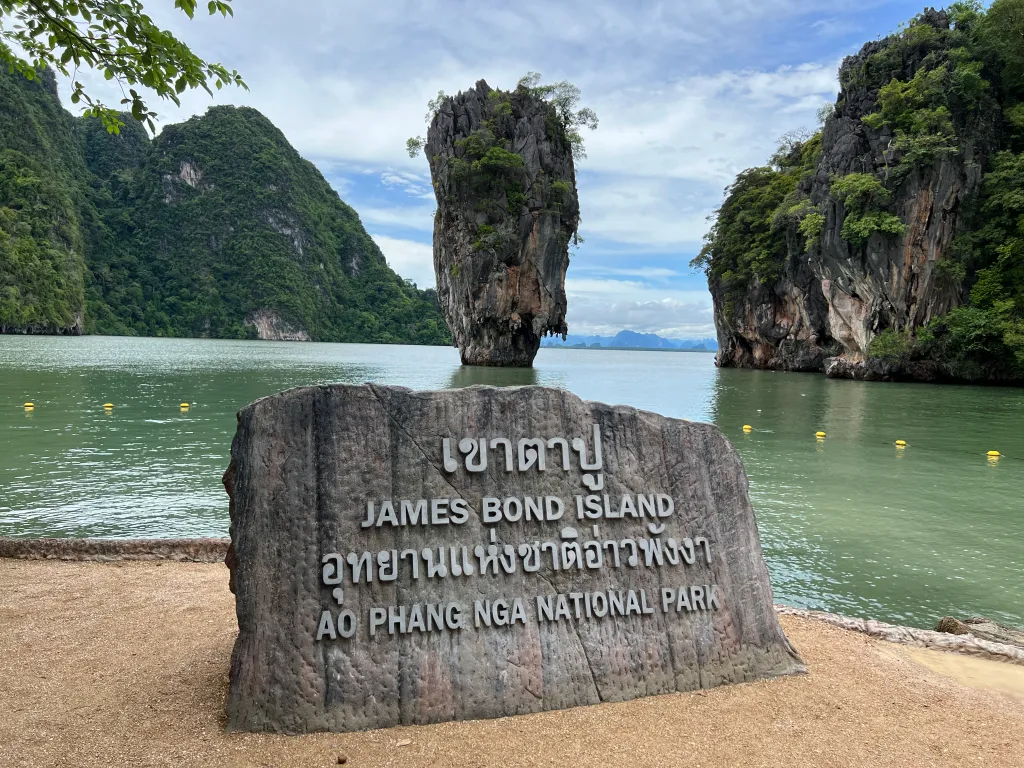
The Permian Period lasted from about 295 million to 250 million years ago. It was the final period of the Paleozoic Era, just before the dinosaurs appeared. During this time, the area that is now Phang Nga Bay was covered by a shallow, warm sea. Countless marine creatures lived and died there, their shells piling up on the seabed. Over millions of years, those shells turned into the limestone rock that makes up James Bond Island. This page tells that story simply.
⏳ Touch ancient rock ⏳
When you visit James Bond Island, you are standing on Permian limestone. Book a tour to see it yourself. Tours from 1,500 THB.
What Was the Permian Period Like?
The Permian was a time of great change. The Earth’s continents had merged into one supercontinent called Pangea. Southern Thailand was near the equator, covered by warm, shallow seas – perfect for marine life. The air had less oxygen than today, but the seas were rich in nutrients. There were no flowering plants, no grass, and no birds. The dominant animals were amphibians, reptiles, and huge insects. On land, ferns and conifer trees grew. In the sea, corals, crinoids (sea lilies), brachiopods, and foraminifera (single‑celled creatures with shells) thrived.
How the Limestone Formed
When these marine creatures died, their calcium carbonate shells fell to the seabed. Over thousands of years, the shells accumulated into thick layers. The weight of the upper layers compressed the lower layers, turning them into solid limestone. The process is called “lithification”. The Permian limestone in Phang Nga Bay is between 295 and 250 million years old – some of the oldest rock in Thailand. You can sometimes see fossils of crinoids or brachiopods in the rock (but do not remove them – it is illegal).
The End of the Permian – Great Dying
The Permian ended with the largest mass extinction in Earth’s history, known as the “Great Dying”. About 90% of all marine species and 70% of land species went extinct. The cause is debated – possibly massive volcanic eruptions in Siberia that poisoned the air and sea. After this event, the Mesozoic Era began, with dinosaurs eventually dominating. However, the limestone had already formed; it survived the extinction. The fossils you see in James Bond Island’s rocks are from creatures that died before the extinction.
Where to See Permian Rock in Phang Nga Bay
All the limestone karsts in the bay – including Khao Phing Kan, Ko Tapu, all karst towers – are made of Permian limestone. The rock is usually grey or white. On some islands, you may see dark bands that are chert (a different rock formed from silica). The best place to see fossils is on the beach of Koh Panyee, where loose rocks often contain shell imprints. But remember: you cannot take them home.
Frequently Asked Questions
Q: Are there dinosaur fossils in Phang Nga Bay?
A: No. The limestone formed before dinosaurs existed. Dinosaurs appeared later, in the Triassic Period (after the Permian).
Q: Can I find fossils on James Bond Island?
A: Possible, but difficult because the rock is weathered. You might see small shell shapes. Do not remove them – fines apply.
Q: How thick is the limestone layer?
A: In places, over 1,000 metres thick.
Q: Was Thailand always in the tropics?
A: During the Permian, Thailand was near the equator. It has moved slightly north since then, but remains tropical.
Final Word
When you touch the limestone of James Bond Island, you are touching a piece of the Permian sea. That tiny speck of rock was once a living creature. The rock has seen continents move, ice ages come and go, and humans appear only in the last blink of its existence. Take a moment to appreciate that deep time. It puts our short lives into perspective.
— Written by the team at VisitJamesBondIsland.com